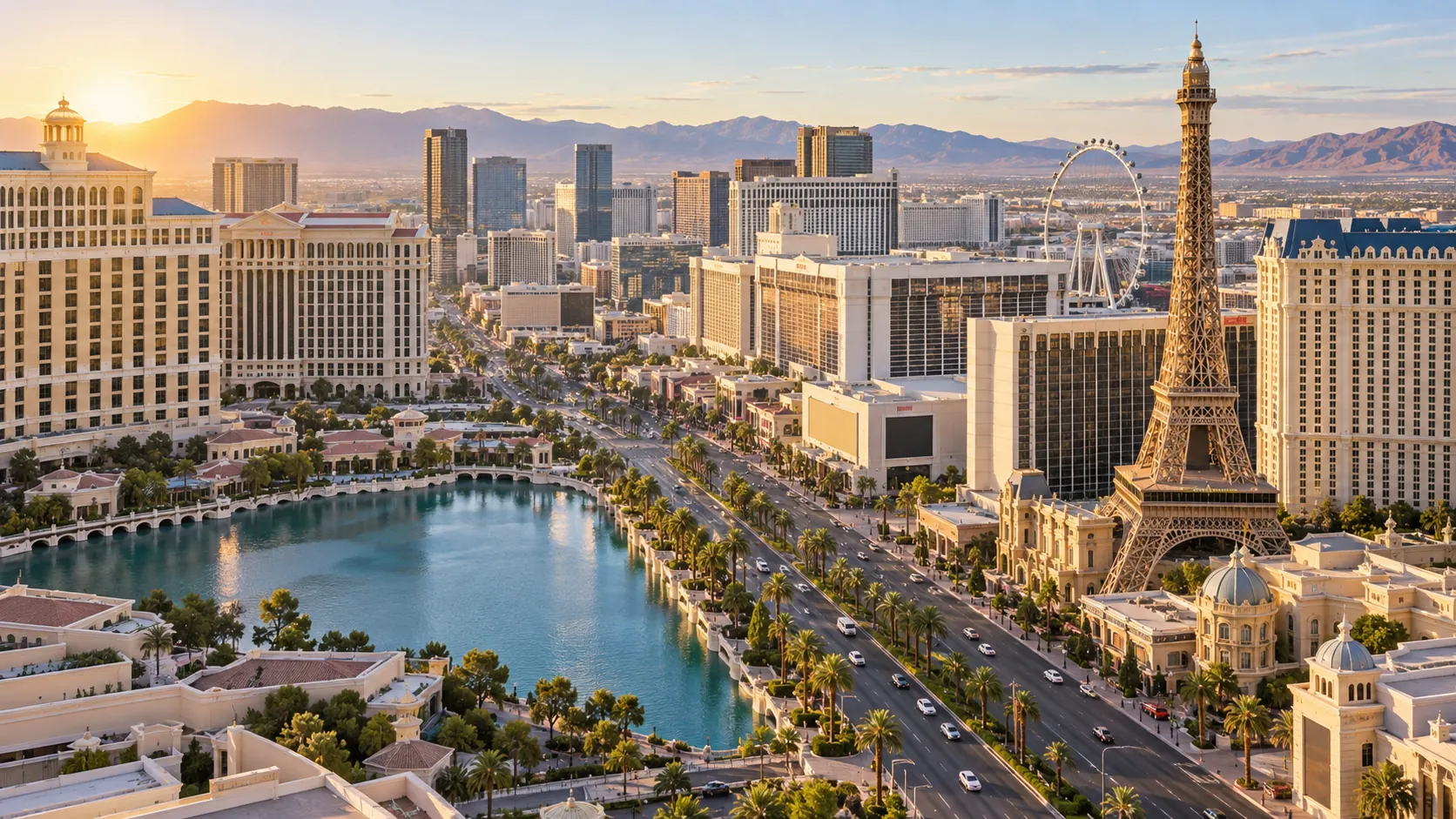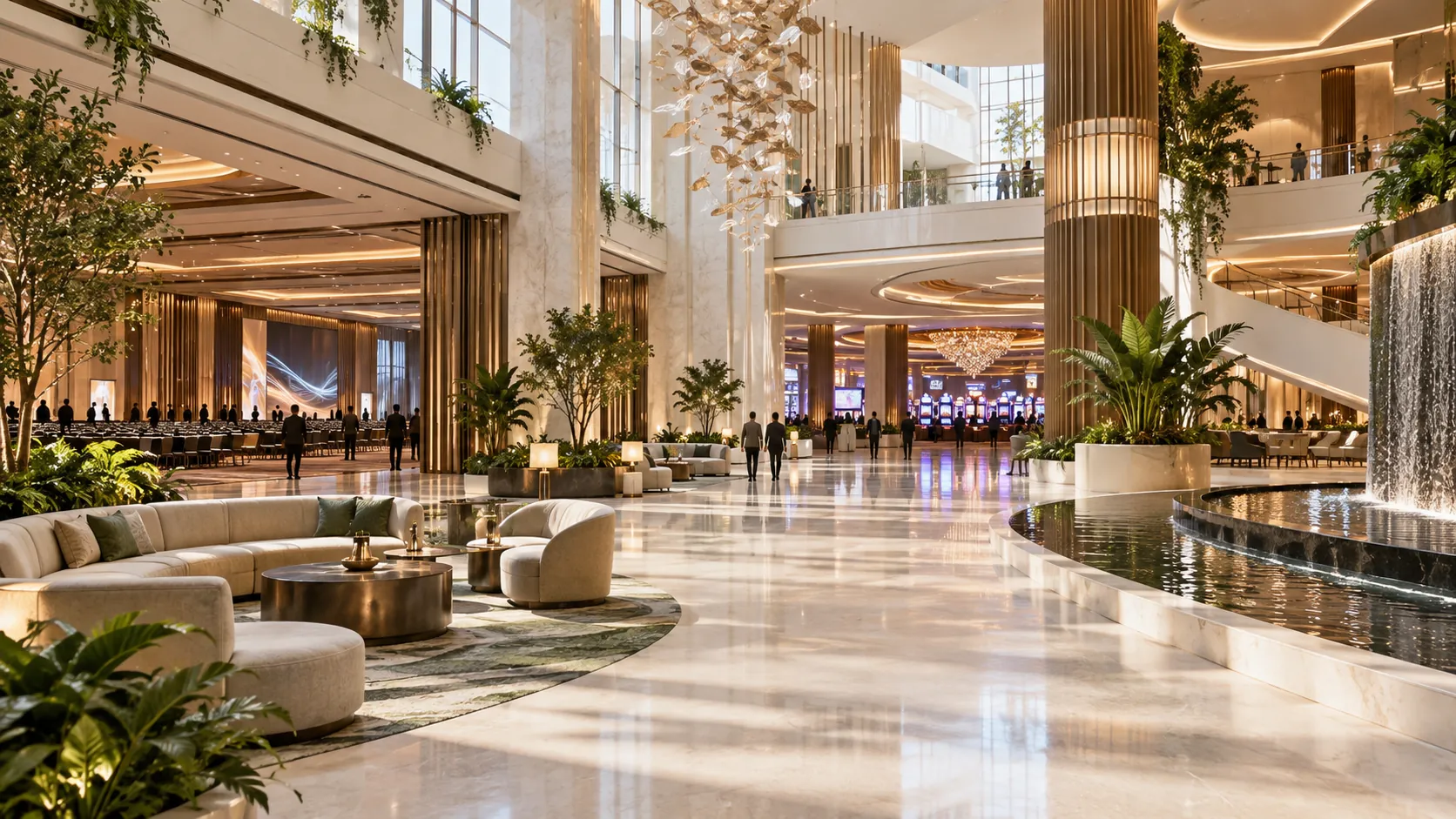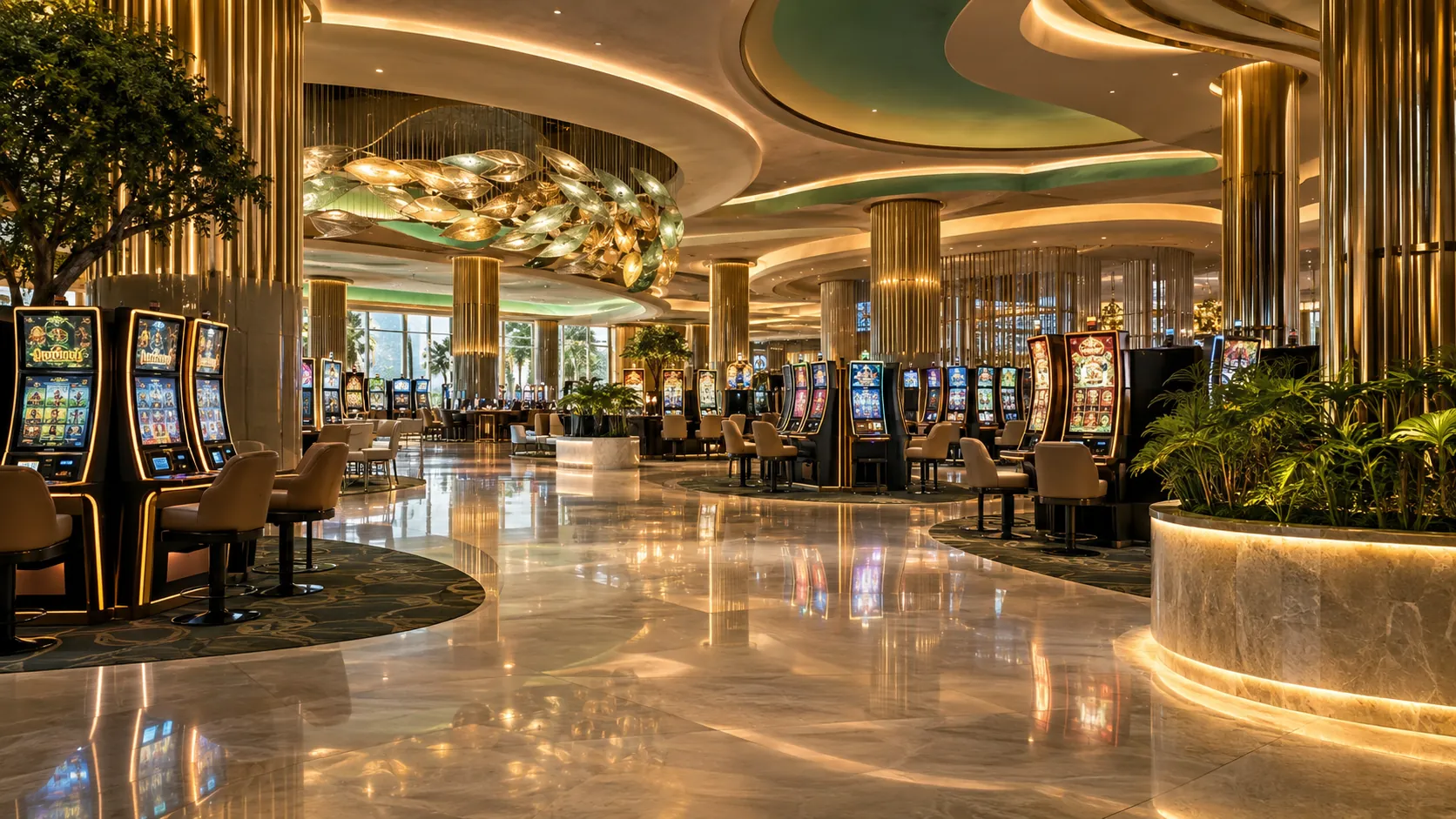
Macao remains a major casino market, but government policy is increasingly focused on what its integrated resorts contribute beyond the gaming floor. In its 2025 policy address, the Macao government said it would monitor concession contracts, urge effective non-gaming investment and refine indicators to assess those projects. That makes entertainment, conferences, sport and cultural programming part of the long-term industry story.
A wider visitor proposition
The government wants to broaden the base of international visitors and improve transport connections. Its policy document points to promotion in multiple regions and cooperation with concessionaires. In a government news feature, the authorities connected major sporting events to the strategy of strengthening tourism and emerging industries. These are policy goals; the commercial impact of each event still needs to be evaluated.
For resort operators, this changes capital allocation and performance measurement. A convention hall, concert, sporting event or neighbourhood programme may support room occupancy, food and beverage demand and destination awareness even when it does not generate gaming revenue directly. The evidence for success is therefore broader than a single gaming figure.
The question of measurement
The key test is whether promised non-gaming investment creates durable visitor demand and local benefits. Tracking attendance, international visitor mix, employment and repeat business is more useful than counting announcements. Government review of concession commitments creates a formal framework, while public reporting will determine how much outside observers can assess.
Macao's approach is distinct from the development models in Singapore, Japan and the UAE, but all four illustrate the industry's move toward properties designed as destinations rather than stand-alone casinos.